Personalisation in e-commerce – what is it and how can it be implemented?

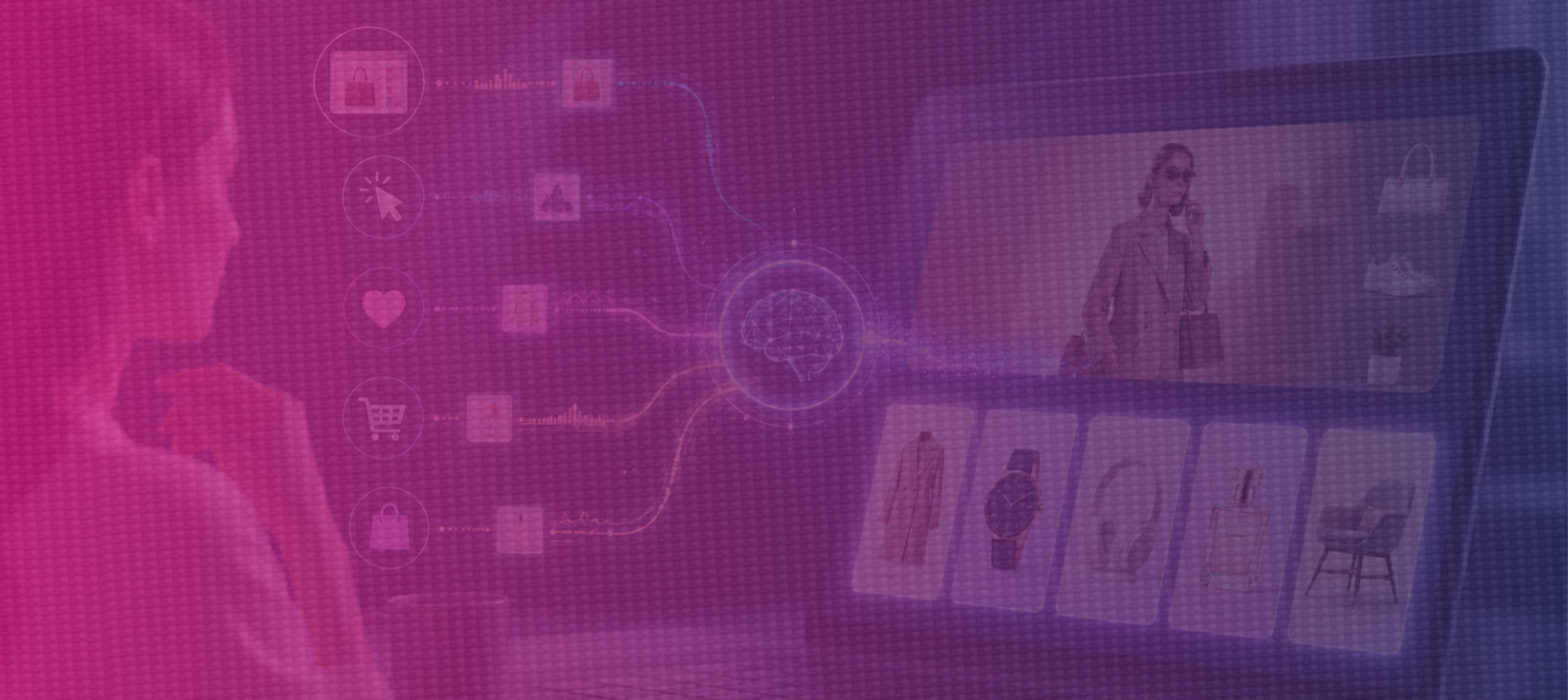
Two people visit the same website on the same day. The first is looking for running shoes; the second is returning to buy printer ink they bought six months earlier. Both see identical banners, identical recommended products and an identical welcome offer.
Personalisation in e-commerce changes this scenario and ensures that everyone sees what they should.
In this article, we explain exactly what personalisation in e-commerce is, what forms it takes, and where to start when implementing it in practice.
What is personalisation in e-commerce?
Personalisation in e-commerce involves tailoring content, offers and communication to a specific user based on data about their behaviour, preferences and purchase history. Instead of a one-size-fits-all message, the shop shows each customer what is genuinely relevant to them. This approach aims to increase customer satisfaction and, consequently, boost conversion rates.
The question: what does personalisation involve? - boils down to one thing: utilising the data that the shop is already collecting. Clicks, categories browsed, abandoned shopping carts, emails opened, previous orders. Analysing these signals allows you to anticipate a customer’s purchasing intent before they express it themselves.
Personalisation is much more than just a name in the subject line of an email. A name is the simplest and most superficial form of personalisation. The real value begins when the system tailors the product range, the timing of contact and the channel to customers’ individual needs.
The technical layer is based on the continuous adjustment of three elements.
- What the user sees on the website.
- What they receive in marketing communications.
- And when they receive it.
Well-designed personalisation combines behavioural analysis with the context of use and leaves the user in control of their data. Without the third element, improving the user experience quickly turns into a feeling of being tracked.
Knowing customers’ preferences is useful at every stage of the customer journey. From the first visit, through the product page, right through to after-sales communication. The better the understanding of who the customers are and what their needs are, the more relevant the shopping experience will be at each of these stages.
Personalisation versus customisation - how do they differ?
Personalisation and customisation are often confused and used interchangeably. But there is one key difference: who makes the decision. In personalisation, the shop does so based on data. In customisation, the customer does it themselves, consciously and manually.
In practice, the two mechanisms complement each other. Product personalisation works in two ways. A shop can recommend a category to a customer that they have previously viewed, and then allow them to tailor a specific item to their individual preferences.
Personalised products have another advantage. A mug with a name on it, engraved jewellery or a photo book make excellent gift ideas, and such orders are rarely returned. A customer who has designed the product themselves forms an emotional attachment to it from the moment they place the order. This is why personalised products often achieve higher profit margins than their standard counterparts.
What are the four types of personalisation in e-commerce?
The four basic types of personalisation are behavioural, contextual, segmentation-based and product personalisation. They differ in terms of the data they use and at which stage of the customer journey they come into play.
- Behavioural personalisation is based on what the user does within the shop. The system collects data on categories viewed, time spent on product pages and abandoned carts, and then adjusts the page layout based on these observations. This is also where so-called contextual product recommendations come into play. The algorithm displays specific products to the user based on their browsing history, previous interactions with the range and purchases recorded in the customer profile.
- Contextual personalisation, in which the system takes into account the situation the user is currently in. This includes location, time of day, device and sometimes even the weather. A clothing shop might highlight raincoats to people in a region where it is currently raining. This same category includes linguistic and cultural flexibility - that is, automatically detecting the region and language, and adjusting the currency, units of measurement and delivery method accordingly.
- Segmentation-based personalisation tailors marketing objectives to the stage of the customer lifecycle. A new subscriber, someone who has placed their first order, a regular buyer and a customer who has been inactive for a year all require completely different messages. Purchase history, order frequency and order value determine which specific segment a customer is assigned to.
- Product personalisation (customisation) shifts the focus entirely from the communication layer to the product layer. The customer tailors the product to their own preferences: they choose a variant, add a name, an engraving or a photo.
Combining these approaches is more effective than choosing just one. Behavioural recommendations work better when they also take into account the segment and the context in which the user is currently browsing the shop.
Find out more about RFM segmentation: https://expertsender.com/rfm/
What are the benefits of personalising an e-commerce offering?
Personalisation allows you to:
- improve conversion rates,
- increase the average order value,
- strengthen customer loyalty.
The mechanism is simple: the fewer irrelevant messages, the fewer reasons for customers to abandon the process along the way.
The first benefit is visible in sales figures. A tailored offering increases the chances of a transaction being completed, as the customer doesn’t have to sift through products that don’t interest them. Higher conversion rates and increased sales are usually the first sign that personalisation is working.
The second benefit is the relationship. Customers can tell the difference between a shop that recognises them and one that greets them like strangers every time. A personalised approach helps build positive relationships with customers and leads to greater customer loyalty, meaning repeat orders rather than one-off purchases. Well-designed loyalty programmes work on the same principle.
The third area is the budget. Adverts and automation campaigns (scenarios) targeted on the basis of actual behaviour reach people who are genuinely interested in a given category, which improves the return on investment for the same expenditure. Precise targeting reduces the cost of reaching a single buyer.
Then there is the shopping experience, which cannot be reduced to a single figure. A shop that understands its customers’ needs requires less effort from them on every visit, and less effort translates directly into customer satisfaction. In categories with a vast selection, such as fashion or electronics, this is often the source of a real competitive advantage.
Would you like to see personalisation in action in your shop? ExpertSender combines real-time tracking of customer behaviour with recommendation frames, banners and pop-ups on the website, as well as personalised communication via email, SMS and push notifications.
Book a free consultation and find out how to tailor your offering and shopping experience to your e-commerce customers’ preferences.
Where should personalisation be used? Channels and examples
Personalisation is used wherever the shop interacts with the customer. Directly on the website, in emails, in push notifications and text messages, in adverts and on social media. Each of these channels draws on the same insights about customers and their individual needs, but utilises them in different ways. A consistent shopping experience is created when all channels use a single customer profile.
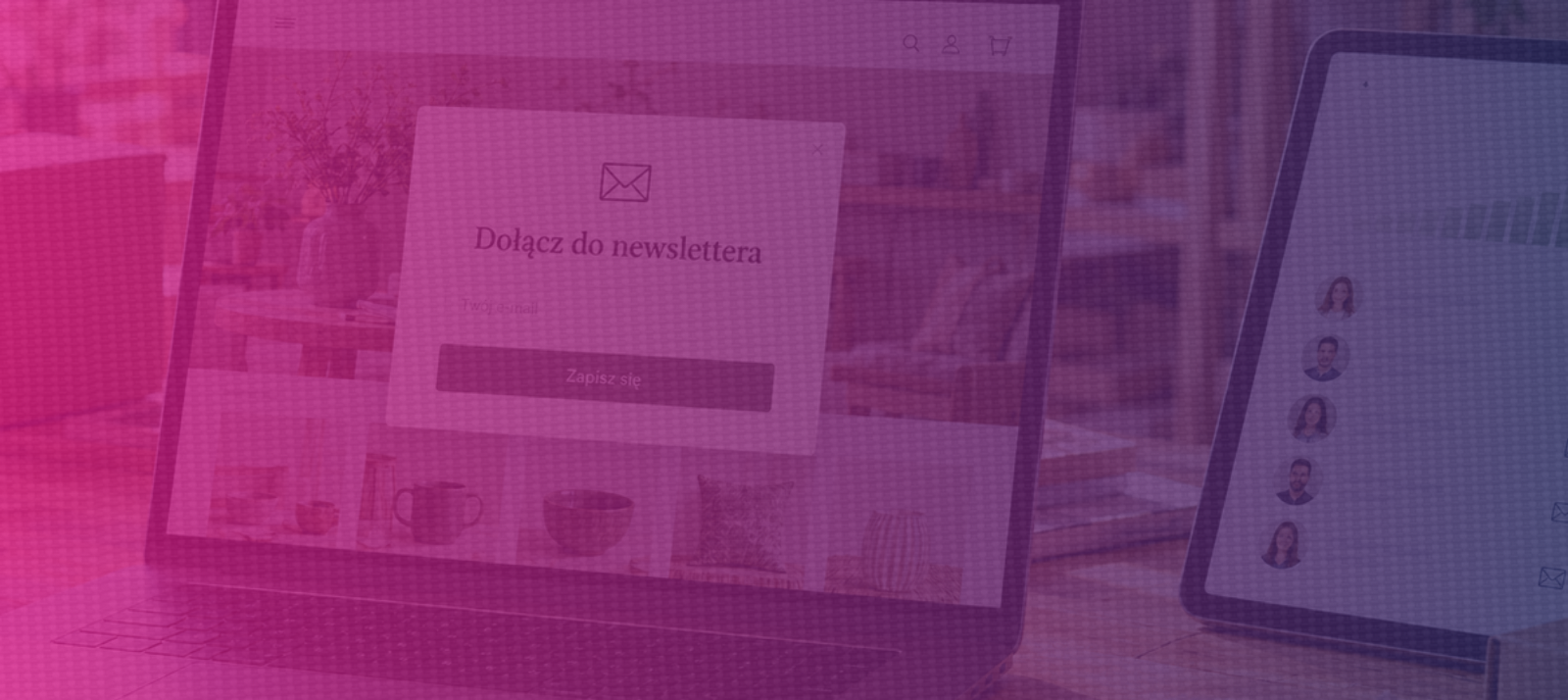
The shop’s website. One of the most popular forms of personalisation here is recommendation frames on the homepage and in the shopping cart. Alongside these are banners tailored to specific customer segments and pop-ups. Tailoring these elements - for example, to browsing history - ensures that the user is presented with offers that match what they were previously looking for.
Email marketing. As well as the recipient’s name, product recommendations based on previous purchases are key. Added to this are special offers tailored to a specific segment, such as a discount on restocking a product that is about to run out. Personalised offers of this type succeed because of the timing of the email, not the size of the discount.
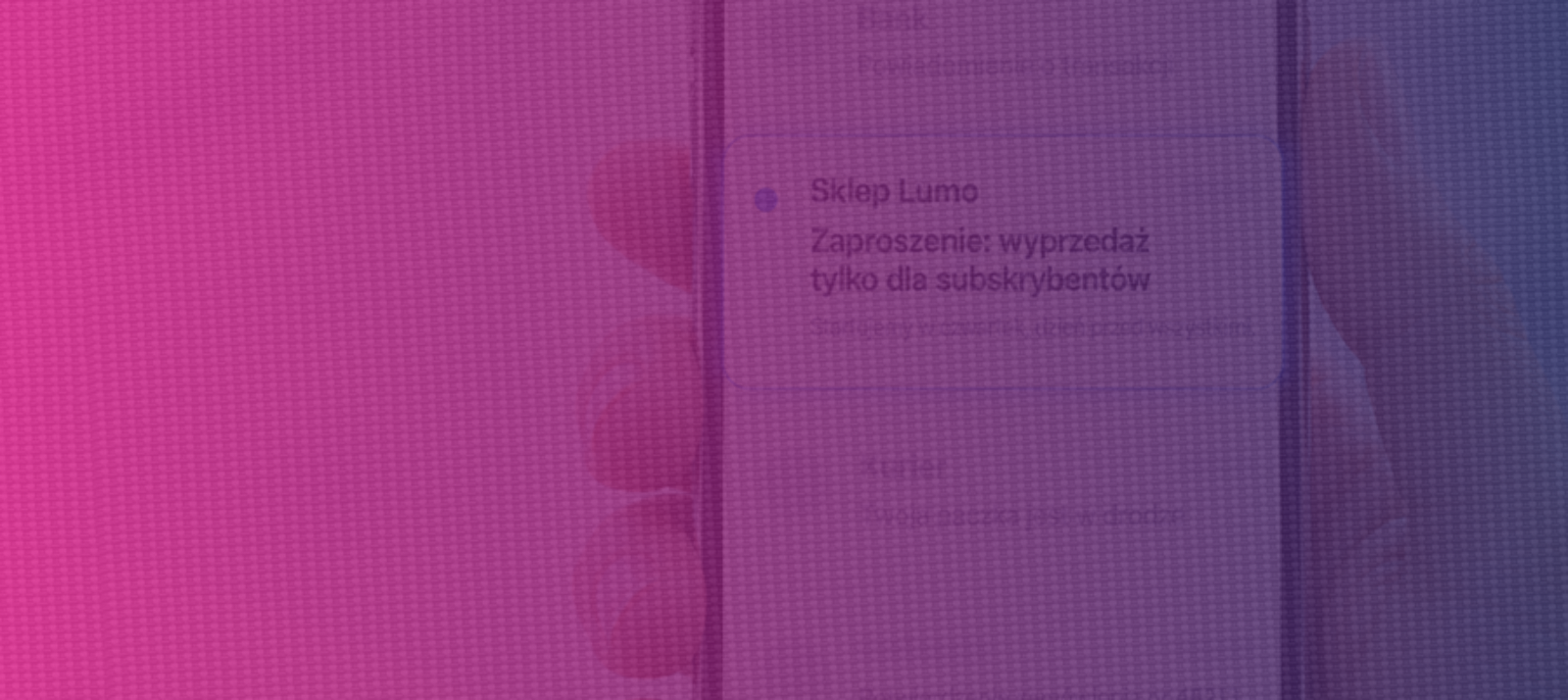
Push notifications and SMS. Personalised push notifications sent based on user behaviour serve as reminders about a product on offer or encourage the user to return to an unfinished shopping session. Geolocation allows the message to be linked to the physical location where the customer currently is.
Advertising and social media. Ad creatives tailored to the categories a user is viewing are more likely to attract the customer’s attention than a generic banner. This is also an area where special offers can easily be tested on small, targeted groups.
How to implement personalisation in online shop?
Implementing personalisation starts with data. Without organised information about user behaviour, even the best software will show everyone the same thing.
Step one: gather data in one place. On-site behaviour, order history, email activity and product feed data should all be fed into a single customer profile. Only then can we better understand customers’ needs and expectations and translate them into marketing and communication.
Step two: choose a tool. There are currently many solutions on the market: from simple analytics software, through recommendation engines, to Customer Data Platforms that combine data with automation. At ExpertSender, this layer is handled by content personalisation on the website and in communications, linked to real-time tracking of customer behaviour. Automation in its purest form.
Step three: start with a single scenario. Abandoned cart, product page recommendations, a price drop scenario or an abandoned browsing scenario. Each of these can deliver quick results. But remember: it’s better to implement one scenario thoughtfully and then move on to the next, rather than doing everything at once but only ‘skimming the surface’.
Step four: test and develop. Continuous optimisation determines results more than the initial launch. Among personalisation trends, the most significant today is the use of artificial intelligence to predict purchasing intent and the correct collection of data to avoid errors resulting from ‘data pollution’.
Frequently Asked Questions (FAQ)
What is e-commerce personalisation?
E-commerce personalisation involves tailoring e-commerce offerings, content and communications to a specific user based on data about their behaviour and purchase history. Instead of a single version of the website for everyone, each customer sees products and messages that match their preferences.
What is personalisation and what does the word mean?
Personalisation means tailoring something to a specific person, their needs and expectations. The word derives from the Latin persona, meaning ‘person’.
In marketing and e-commerce, it refers to goods, content and services that are individually tailored, rather than created for a mass audience.
What does marketing personalisation involve?
Marketing personalisation involves tailoring the message to the individual characteristics of the audience rather than sending the same message to everyone.
Data on consumer behaviour determines who receives what content and when. Personalisation acts as a filter here, ensuring that marketing activities reach consumers who are genuinely interested in a particular category.
Latest Resources
We share our knowledge




-
![]()
Dashboard
-
![]()
Customer Profile 360°
-
![]()
Preference Center
-
![]()
Website personalization
-
![]()
Consents Management
-
![]()
Automated emails
-
![]()
Email Raports
-
![]()
High Deliverability
-
![]()
User real-time tracking
-
![]()
Automated scenarios
-
![]()
RFM analysis
-
![]()
Drag & drop editor
-
![]()
Omnichannel marketing
-
![]()
Recommendation frames
-
![]()
Message checklist
-
![]()
Banners, pop-ups, forms