Newsletters – what they are and 5 effective tips to get you started

Newsletters - a tool that, at first glance, seems rather insignificant and is overlooked by many online shops. Wrongly so! In practice, newsletters can still form the backbone of marketing - effectively supporting brand development, sales and the building of customer relationships.
A well-designed newsletter is not just a standard message sent to the entire mailing list, but a carefully considered element of email marketing. An element that addresses the needs of the target audience and supports the business objectives of the company in question.
Right then... So: how should you use newsletters in e-commerce in 2026? There are many answers. Some companies treat the newsletter as an information channel, others as a tool for educating customers, and still others as a way to boost sales and stay in touch with existing customers and potential clients.
In this article, we’ll look at what a newsletter really is, what role it plays in brand communication, and where to start when creating a newsletter so that it isn’t just another email that the recipient deletes after a few seconds.
What is a newsletter and what is its role in brand communication?
A newsletter is a regular form of communication via email, used to convey valuable information, build relationships and support sales. Put simply, it is an email sent to people who have subscribed to a mailing list and consented to being contacted by the brand.
In practice, however, a newsletter is not merely a technical email dispatch, but part of a broader email marketing and marketing automation strategy, in which what counts is not only the mere presence in the recipient’s inbox, but also the quality of communication, the relevance of the content and regularity.
The role of a newsletter in brand communication is primarily to maintain contact with recipients at various stages of the customer journey. It can be used to inform about new products, promotions, content from the company blog or changes to the product range, but also to educate customers and build trust in the company.
This is precisely why creating a newsletter is important today not only for major brands, but also for shops operating in a specific industry or niche.
In modern email marketing, newsletters are increasingly less likely to be mass-sent. More and more often, newsletter content is tailored to specific audience groups based on their activity, purchase history, interests or e-commerce behaviour. This allows the brand to deliver more relevant and useful messages to its audience, rather than sending the same message to everyone.
Why is a newsletter important in e-commerce marketing?
A newsletter is important in e-commerce because it allows a brand to maintain direct contact with the customer outside of adverts and social media platform algorithms. It is a dedicated communication channel through which a shop can regularly remind customers of its presence and return to them with an offer at the right moment.
In e-commerce, this is particularly important because purchasing decisions are not always made immediately. A well-managed newsletter helps a brand stay close to the customer until they are ready to buy.
What benefits does a well-planned newsletter bring to a company?
A well-planned newsletter helps a company communicate more effectively with customers and better translate marketing into business results. Instead of sending random messages, the brand builds a consistent channel that supports sales, loyalty and brand recognition.
The most important benefit is the ability to tailor communication to the recipient. This allows the company to send more relevant content, better respond to customer needs and increase the likelihood of a click, a return visit to the shop or a purchase.
Regular contact, valuable content and well-planned communication enhance the appeal of the newsletter and ensure that the brand does not appear in the inbox by chance, but becomes a natural part of daily contact with the customer.
See also: Cross-selling and up-selling in e-commerce: 8 ways to boost revenue >>>
Where to start when creating a newsletter?
It’s worth starting the creation of a newsletter with a strategy, rather than with the content or design of the message itself. Before a brand sends its first mailing, it should know who it wants to speak to, why it’s doing so, and what value it wants to deliver to its audience.
This is important because an effective newsletter doesn’t happen by chance. The better you define your target audience, communication goals and the needs of your recipients at the outset, the easier it will be for you later to plan the content, frequency of sending and format of the messages.
1. Define your target audience and the needs of specific recipient groups
It’s worth starting the creation of a newsletter by precisely defining who is to receive it and what the audience’s expectations of the brand are. This is the starting point that influences everything else: from the content and tone of communication, to the frequency of sending, the subject of the message, or an offer tailored to a specific audience group.

Not everyone on the mailing list has the same needs. You communicate differently with potential customers, differently with those who have already made a purchase, and yet differently with existing customers who know the brand and want to receive more tailored content.
Therefore, rather than thinking of the database as a single group, it is better to view it immediately through the prism of segments and specific audience groups. Basic information and data such as purchase history, website activity, the source of the subscription, or interest in a specific product range can be helpful here.
Only on this basis can you create a newsletter that truly meets the needs of your target audience. The better a brand understands its audience, the easier it is to provide valuable information and create more relevant newsletter content.
2. Ensure you have an effective sign-up form and a valuable lead magnet
An effective newsletter begins before the first issue is sent out. If a user is to provide their email address, they must know immediately what they will receive in return and why it is worth joining the list.
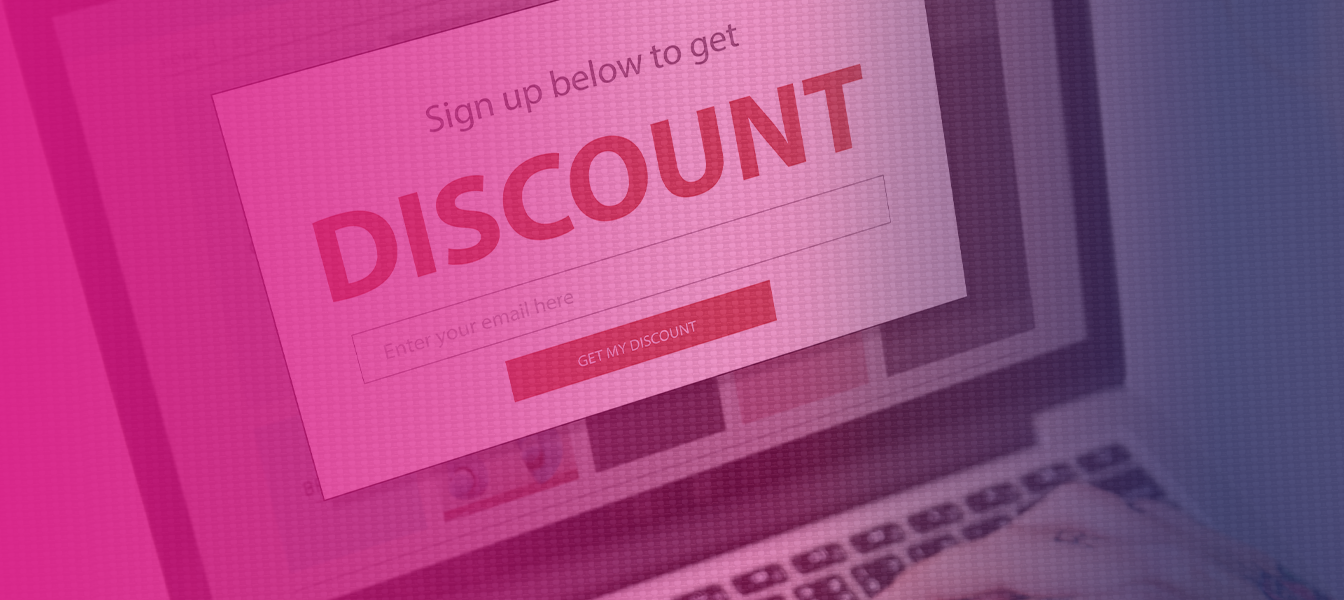
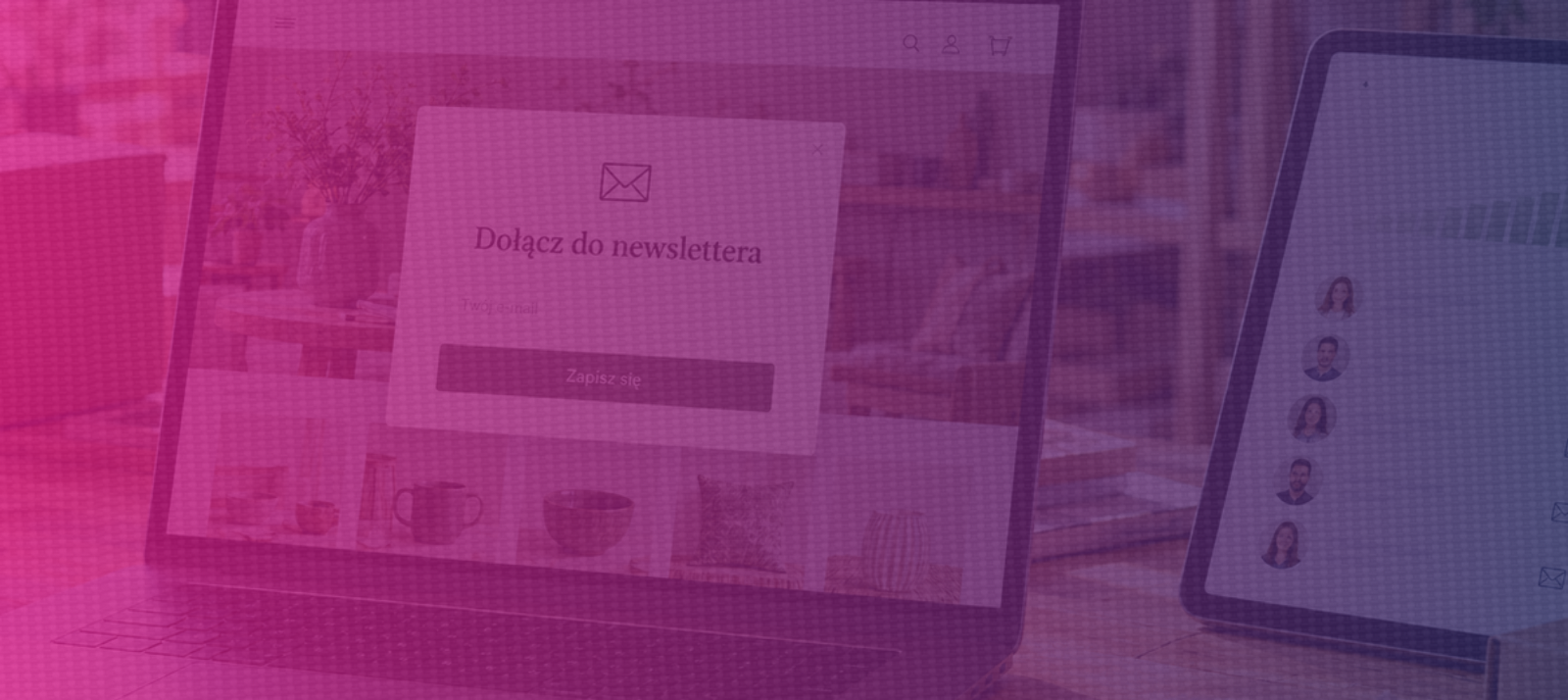
That is why the sign-up form should be simple, short and clear. The fewer fields to fill in at the start, the greater the chance that the user will actually complete the sign-up. In many cases, it is enough to ask only for an email address, and collect additional information later.
Equally important is the lead magnet - the specific benefit the brand offers in exchange for the sign-up. This could be a discount code for their first purchase, free delivery, a free guide (e.g. an ebook), access to exclusive content, or early information about new products.
A good lead magnet should be tailored to the target audience and genuinely meet their needs. It’s not about a random bonus, but something that will attract the right people - those who could actually become the brand’s customers.
It’s also worth bearing formalities in mind. The newsletter sign-up process should be clear, compliant with marketing consent rules, and ideally based on the double opt-in model, which helps build a high-quality mailing list and reduces accidental or erroneous sign-ups.
3. Create content that offers real value
Newsletter content should be useful from the recipient’s perspective, not merely convenient for the brand. If every message looks like an advert, subscribers will soon stop noticing them.
That is why it is worth thinking of the newsletter as a regular format designed to contribute something. Depending on the industry, this could include practical advice, shopping inspiration, short educational pieces, product recommendations, case studies, industry articles, or tips on how to make better use of your offering.
Good newsletter content addresses the real needs of the audience and fits in with their stage of the buyer’s journey.
It’s also worth remembering that a valuable newsletter doesn’t have to be long. Often, a single specific idea, a clearly demonstrated benefit, or a relevant recommendation works better than a lengthy message where it’s hard to find the key message.
4. A subject line and call to action that encourage clicks
The subject line should immediately show why it’s worth opening the newsletter. It largely determines whether the recipient will notice the message in their inbox and consider it worth their attention.
A good subject line is short, specific and clear. It should not sound like an intrusive advertisement or promise something that the newsletter’s content fails to deliver. It works best when it clearly communicates a benefit, arouses curiosity or addresses a real need of the recipient.
Equally important is the call to action, i.e. the element that guides the user to the next step. It may encourage them to read an article, check out an offer, download material, or navigate to a specific category or product in the shop.
A well-written call to action should be simple and unambiguous. The recipient shouldn’t have to wonder what to do next - they should know immediately after reading the message.
5. Test the newsletter on a computer and mobile devices before sending
Even a well-written newsletter can be ineffective if, after sending, it turns out to be illegible or displays poorly on different devices. That is why it is worth checking how the message looks on both a computer and mobile devices before sending.
The test should cover not only the layout of the content, but also the subject line, preheader, links, buttons and images. In practice, it is often these details that determine whether the recipient clicks or closes the message after a few seconds.
It is also worth paying attention to the length of the newsletter, the readability of the headings, and whether the call to action is clearly visible immediately upon opening. The simpler and clearer the format, the greater the chance that the recipient will notice the message that matters to you.
Summary
In e-commerce, the newsletter remains one of the simplest yet most effective ways to maintain regular contact with customers. A well-planned newsletter is not merely about sending out promotions; it supports relationship-building, boosts brand recognition and helps you reach the recipient with the right message at the right time.
To create a newsletter that works, it’s worth starting with the basics:
- get to know your target audience well,
- ensure you have a simple sign-up form,
- offer a meaningful lead magnet,
- create content that provides value,
- test every message before sending.
It is these elements that most often determine whether a newsletter will be just another email in the inbox or a channel that supports sales and builds lasting relationships with recipients.
Frequently Asked Questions (FAQ)
How often should newsletters be sent so as not to put off recipients?
It’s worth sending newsletters regularly, but in moderation.
In many cases, newsletters sent once a week or once every two weeks work well, provided their content is well thought out and each message offers something of value.
The most important thing is that the frequency is tailored to your audience and the brand’s capabilities. It is better to send a newsletter less frequently but with tangible value than to remind people of your brand too often without a clear reason.
Do you have to pay for a newsletter?
No, subscribing to a newsletter is usually free for the recipient. The user simply provides their email address to receive messages, offers or informative content from the brand.
The costs are borne by the company sending the newsletter. These usually include the mailing tool, as well as labour costs such as content preparation, message design and subscriber database management.
How can you promote newsletter sign-ups on social media?
The best way to promote newsletter sign-ups is by clearly highlighting the benefits of joining the list. Instead of simply saying “sign up”, it’s better to show what the user will get in return and why it’s worth joining now.
It works well to entice subscribers with something concrete: a discount, a guide, early access to offers, practical tips, or content you don’t publish anywhere else. On social media, it’s also worth showing sample message topics, excerpts from the newsletter, or visual content that boosts its appeal.
What does it mean to subscribe to a newsletter?
Subscribing to a newsletter means giving your consent to receive emails from the brand.
Usually, the user enters their email address in a sign-up form and then confirms their wish to join the mailing list.
What is a newsletter service?
A newsletter service is a tool or system that allows a company to create, send and analyse emails sent to subscribers. In practice, this encompasses not only the sending process itself, but also contact database management, segmentation, automation and campaign performance evaluation.
A good newsletter service also helps you plan your communications more effectively, measure results and draw conclusions.
How to build an email list for e-commerce?
It is best to build an email list gradually, offering users tangible value in exchange for signing up. The sign-up form alone is rarely enough - a visitor to the shop must see a clear reason why it is worth leaving their email address.
That is why a combination of several elements works best: a simple sign-up form, a well-tailored lead magnet and a well-thought-out promotion at various touchpoints with the brand. The form can appear on the homepage, in the footer, on the product page, in the shopping cart, on the company blog or in a pop-up displayed at the right moment.
What the brand offers in return is also of great importance. This could be a discount on the first order, free delivery, a guide, access to exclusive content, or early information about new products. The better this benefit addresses the needs of the target audience, the greater the chance that the sign-up will attract the right people rather than random traffic.
It is also worth promoting subscriptions through social media and other channels. It works well not only to inform people about the newsletter itself, but also to highlight the benefits of subscribing - for example, what content the user will receive and why it is useful.
Latest Resources
We share our knowledge





-
![]()
Dashboard
-
![]()
Customer Profile 360°
-
![]()
Preference Center
-
![]()
Website personalization
-
![]()
Consents Management
-
![]()
Automated emails
-
![]()
Email Raports
-
![]()
High Deliverability
-
![]()
User real-time tracking
-
![]()
Automated scenarios
-
![]()
RFM analysis
-
![]()
Drag & drop editor
-
![]()
Omnichannel marketing
-
![]()
Recommendation frames
-
![]()
Message checklist
-
![]()
Banners, pop-ups, forms