Landing Page – what is it? How can you use it in e-commerce?

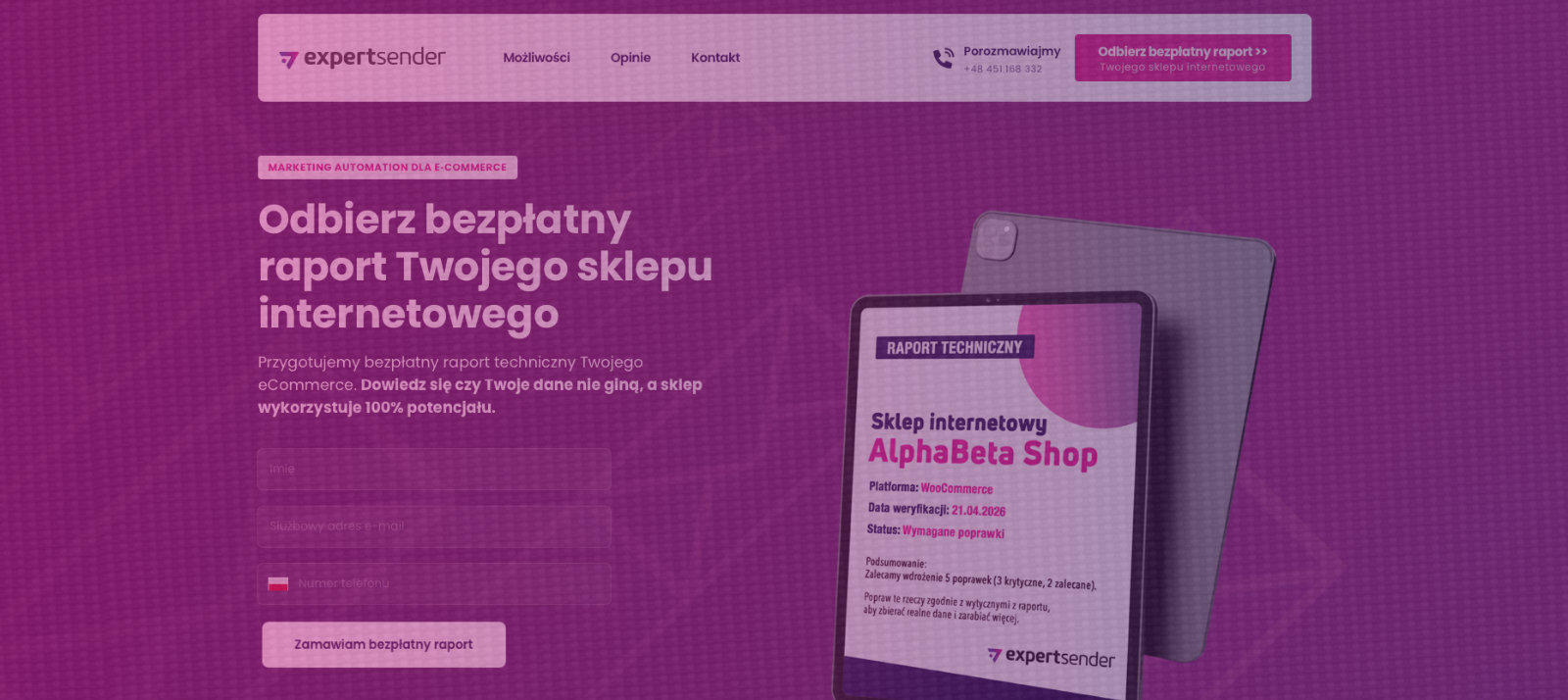
In e-commerce, simply driving traffic to your website is often not enough. All the more so because there are many ways for visitors to find their way to your e-commerce site.
A user might click on an advert, click through from a newsletter or arrive via a social media campaign, but if, after clicking, they don’t see a clear message, a specific offer and a straightforward call to action – they may easily lose interest in what you’re offering. This is precisely why a well-designed landing page plays such a vital role in online sales.
A landing page is a tool that helps focus the visitor’s attention on what matters most: a product, a promotion, signing up for a newsletter, a pre-order or another specific action. Unlike a shop’s more complex subpages, a landing page takes the user along a shorter path. It can support product sales, lead generation, building a contact database and making more effective use of your marketing campaign budget.
In this article, we explain what landing pages are, when it’s worth using them and how to create landing pages that not only look good but actually drive conversions for your brand.
What is a landing page?
A landing page is a page that a user may land on after clicking on an advert, a link in a newsletter, a banner, a social media post or another marketing message. Its main purpose is to encourage the user to take a specific action – for example, purchasing a product, signing up to a mailing list, downloading a resource, registering for an event or filling in a form.
In practice, a landing page is designed differently from a homepage and the rest of a website. It is not intended to direct the user to multiple places at once, but rather to focus their attention on a single offer, a single message and a single goal. That is why an effective landing page usually does not contain an extensive navigation menu, numerous links or elements that might distract attention from the decision to make a purchase or get in touch.
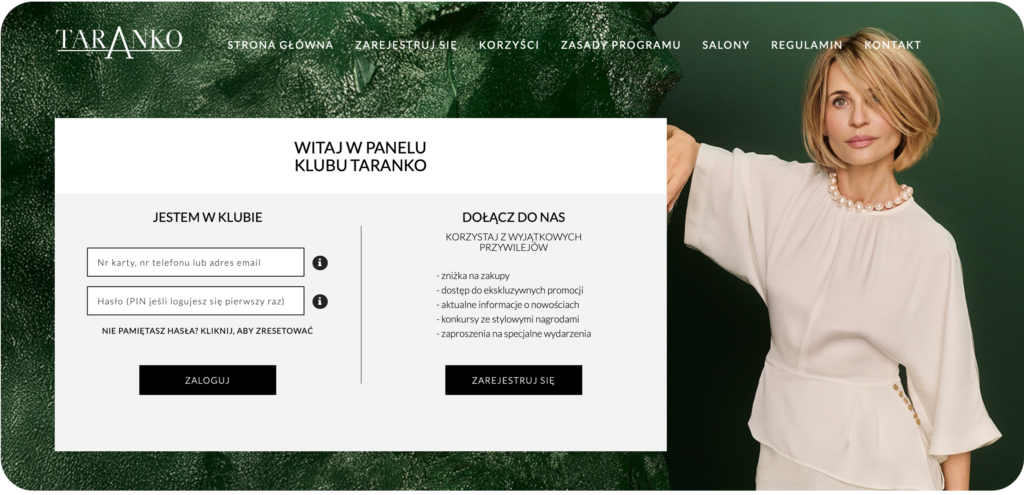
A well-designed landing page acts as a precise pathway leading to conversion. The user sees the most important information, understands what they stand to gain by clicking, and is presented with a clear call to action. This could be a call-to-action button, a one-off offer, an incentive to purchase a product, or a message prompting them to fill in a contact form.
In e-commerce, a landing page therefore serves as a specialised sales or lead generation page. It helps promote specific products, new collections, special offers, free resources or seasonal promotions. This enables your brand to better tailor its message to your target audience and potential customers, as well as to test different offer variants more quickly and measure the effectiveness of marketing campaigns more effectively.
Do you want to boost sales in your e-commerce business?
We’ll show you how well-implemented Marketing Automation and Customer Data Platform solutions can genuinely boost sales in your e-commerce business.
Book a free consultation with an e-commerce expert and test ExpertSender’s capabilities in practice.
When should you use a landing page?
A landing page is worth using when you want to guide a user towards taking a single, clearly defined action. This could be purchasing a product, subscribing to a newsletter, downloading valuable content, registering for an online event, joining a waiting list or filling in a contact form.
In e-commerce, a landing page works particularly well when the homepage or category page would be too general. The homepage displays many categories, products, promotions and pathways – whereas a landing page focuses on one specific offer. This means the user doesn’t have to search for the most important information themselves. They can see straight away what the message is about and what they should do next.
It’s also worth using landing pages when running paid marketing campaigns. If you’re investing in PPC advertising, email marketing, social media campaigns or omnichannel activities, directing traffic to a standard website can distract the audience. A dedicated landing page maintains consistency between the advert and the offer, making it easier for users to take a specific action after clicking.
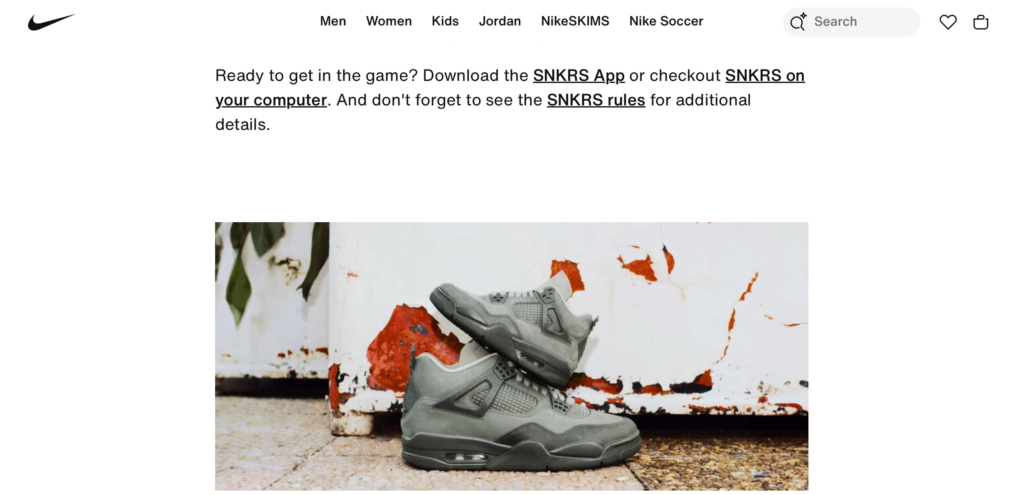
A landing page is also helpful when you want to quickly test a new product, message or target audience segment. You can prepare several variations of the headline, graphics, call to action or form, and see which landing page best meets the needs of potential customers. This is particularly useful in data-driven marketing, where it’s not just aesthetics that matter, but conversion above all else.
In e-commerce, a landing page can support both product sales and lead generation. If a user isn’t yet ready to make a purchase, you can offer them the chance to subscribe to a newsletter, a discount code, free resources or early access to an offer. In this way, a landing page not only sells but also helps build a contact database and develop a relationship with the audience.
Examples of using landing pages in e-commerce
Landing pages in e-commerce can be used wherever you want to direct traffic to a specific product, offer or promotion. Instead of directing the user to the homepage, you can create a dedicated landing page tailored to the campaign’s objective and a specific target audience.
Most commonly, landing pages support customer acquisition and product sales, lead generation, the promotion of a new collection, sign-ups for waiting lists, and seasonal promotions. This helps users understand more quickly what you’re offering and what action they should take after clicking.
Marketing campaigns
A landing page is the natural destination to which you should direct traffic from marketing campaigns. This applies to PPC adverts, social media campaigns, newsletters, email marketing, text messages and omnichannel activities.
A well-designed landing page remains consistent with the advert: it reiterates the promise, showcases a specific offer and leads to a single call to action. This ensures that, upon clicking, the user isn’t taken to a random page, but to one designed precisely to match their intent.
Limited-time promotions, sales
Landing pages work well for limited-time promotions, sales and special offers, as they allow you to focus the user’s attention on a single promotion. Instead of distracting them with the entire shopping catalogue, you showcase the most important products, the terms of the promotion and a clear call to action.
Such a landing page may include a countdown timer, a limited-time offer, a special discount code or best-selling products. This is a good solution when a quick decision is needed and you want to make the most of traffic from a campaign.
Building an email list and community
A landing page can effectively support the building of an email list and a community around the brand. Instead of immediately encouraging a purchase, you can offer users the chance to subscribe to a newsletter, gain access to a private group, receive a discount code, get early access to a collection, or receive free resources.
In this case, the key elements are: a simple form, a clear benefit and a specific call to action. The quicker the user understands what they’ll receive after providing their contact details, the greater the chance they’ll complete the form.
Collection launches
A landing page works well for collection launches, as it helps build anticipation ahead of the launch and focus the audience’s attention on a specific event. You can use it as a page to announce a new collection, showcasing inspiration, the launch date and the option to sign up for notifications.
This sort of landing page helps you gather interested users even before the launch. This means that on the day of the drop, you can reach out to people who have already expressed an interest in your offer.
Pre-sales of a collection (pre-orders)
A landing page for pre-orders helps gauge demand for a new collection before the product goes on general sale. It’s a good solution when you want to showcase a particular product, collect pre-launch orders or gather contact details from potential customers.
On such a page, it’s worth including a brief description of the collection, high-quality photos, the dispatch date, pre-order terms and conditions, and a clear call to action. This ensures the user knows what they’re buying, when they’ll receive the product, and why it’s worth making a decision right now.
The most common mistakes on landing pages that reduce conversion rates
The most common mistakes on landing pages stem from a lack of a single focus, too many elements, and a message that isn’t tailored to the user. Even a visually appealing landing page may fail to sell if it distracts the user or doesn’t lead to a specific action.
The most significant mistakes include:
- too many messages, offers and CTAs on a single page,
- a complex menu that distracts the user from converting,
- a call to action that is poorly visible or vague,
- a form that is too long and asks for too much contact information,
- a lack of consistency between the advert and the landing page content,
- a slow website and excessive loading times,
- a lack of optimisation for mobile devices,
- insufficient information about the product or service,
- a lack of social proof, customer reviews or elements that build trust.
It is also worth paying attention to the ‘above-the-fold’ structure – that part of the page which the user sees without scrolling. This is where the most important information should be placed: a strong headline, a brief description of the offer, attractive visual elements and a clear call to action. If the page loads slowly and the call-to-action button isn’t clearly visible, some users may leave the landing page before making a decision.
An effective landing page should be simple, clear and tailored to your target audience. Removing unnecessary elements often boosts the landing page’s conversion rate, as the user understands more quickly what they need to do and what they’ll gain by clicking.
Summary – Landing Page
A landing page is one of the most practical tools in e-commerce, as it helps guide the user from the initial click to completing a specific action. Such a page can support product sales, lead generation, newsletter sign-ups, the promotion of a new product, pre-orders, collection launches and special offers.
Unlike a homepage, a landing page focuses on a single specific offer and a single objective. This means the user doesn’t have to choose from multiple paths, but can immediately see the most important information, benefits and call to action.
This is particularly important in marketing campaigns, where every visit, click and user decision affects the cost of customer acquisition.
Frequently Asked Questions (FAQ)
What is a landing page?
A landing page is the page a user is directed to after clicking on an advert, a link, an email or a post. Its purpose is to persuade the visitor to take one specific action, such as making a purchase, signing up or filling in a form.
How does a landing page differ from a website?
A landing page has a single purpose, whereas a website usually has multiple purposes and navigation paths. The homepage showcases the company, its offering and categories, whilst a landing page focuses on a specific conversion.
What should a landing page look like?
A landing page should be simple, clear, fast and optimised for mobile devices.
The most important elements are a strong headline and a clear ‘hero’ section, a short description, a clear call to action, attractive visuals and a simple form.
How do you create an effective e-commerce landing page?
To create an effective e-commerce landing page, start with a single objective and a specific target audience. You’ll design the landing page differently for people seeing your brand for the first time than for regular customers awaiting the launch of a new collection.
Next, tailor the offer, message, CTA, form and page layout so that the user immediately knows what they stand to gain and what they should do next. An effective landing page should have a strong headline, a brief description of the benefits, attractive product visuals and a clear call to action.
Also ensure fast loading times, a mobile-friendly version, and the removal of any unnecessary elements that might distract the user.The simpler and more consistent the landing page, the easier it is to guide the user from the initial click to a purchase, sign-up or other specific action.
Latest Resources
We share our knowledge







-
![]()
Dashboard
-
![]()
Customer Profile 360°
-
![]()
Preference Center
-
![]()
Website personalization
-
![]()
Consents Management
-
![]()
Automated emails
-
![]()
Email Raports
-
![]()
High Deliverability
-
![]()
User real-time tracking
-
![]()
Automated scenarios
-
![]()
RFM analysis
-
![]()
Drag & drop editor
-
![]()
Omnichannel marketing
-
![]()
Recommendation frames
-
![]()
Message checklist
-
![]()
Banners, pop-ups, forms